
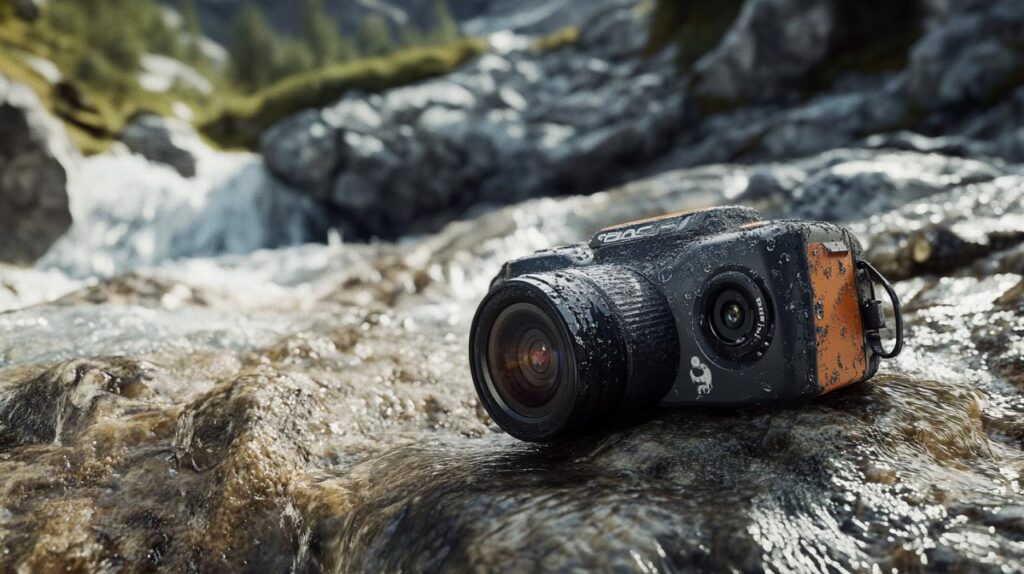
Choosing the right equipment for recording your outdoor exploits can transform how you share your experiences with friends and family. The market offers a wide range of action cameras designed to capture everything from serene countryside walks to adrenaline-fueled sports. Whether you are exploring rugged coastal paths or navigating mountain trails, understanding what makes one camera better suited to your needs than another will help you make an informed decision.
Understanding image quality and performance
Resolution, frame rates, and sensor technology
When you buy an action cam, video quality stands as one of the most crucial factors to evaluate. The highest resolution currently available is 4K, which delivers stunningly sharp footage that looks brilliant on modern televisions and computer screens. However, it is worth considering where you will actually watch your videos. If you primarily view content on a smartphone or share clips on social media, a slightly lower resolution might suffice whilst saving storage space and battery power. Frame rates also play a significant role, particularly if you enjoy creating slow-motion sequences. Higher frame rates allow for smoother playback when slowing down fast-moving action, making your footage more dynamic and engaging. Sensor technology determines how well your camera performs in challenging lighting conditions, with larger sensors generally capturing better detail when the sun dips below the horizon or you venture into shaded woodland.
Why image stabilisation matters for your footage
Even the steadiest hand cannot eliminate all movement when recording on the move. Image stabilisation technology compensates for bumps, vibrations, and sudden movements that would otherwise result in unwatchable footage. This feature becomes especially valuable during activities such as mountain biking, where rough terrain constantly jostles your equipment, or when filming whilst walking along uneven paths. Modern stabilisation systems can transform shaky recordings into smooth, professional-looking videos that viewers will actually want to watch. Without this technology, even the most exciting adventures can appear chaotic and difficult to follow on screen.
Durability, weatherproofing, and build quality
Waterproofing and impact resistance essentials
Adventure activities rarely take place in controlled environments. Your camera needs to withstand whatever nature throws at it, from unexpected rain showers to accidental drops onto rocky surfaces. Waterproof capabilities prove essential if you plan to capture footage near water or in wet conditions. Many action cameras offer waterproofing as standard, allowing you to take them swimming, surfing, or kayaking without worry. Impact resistance matters equally, as even careful users occasionally knock their equipment against hard surfaces or drop them from mounting positions. A robust build quality ensures your investment continues functioning after the inevitable bumps and scrapes that come with active use.
Choosing the Right Protective Case and Housing
Whilst many action cameras boast impressive inherent durability, additional protective cases and housings extend their capabilities further. These accessories provide extra layers of defence against water, dust, and physical damage. Some cases enhance waterproof ratings, allowing you to dive deeper underwater, whilst others offer mounting points for specialist activities. When selecting a camera, consider what protective options are available and whether they suit your intended uses. A sturdy case can mean the difference between a camera that survives your adventures and one that requires costly repairs or replacement after a single mishap.
Mounting options and versatility
Standard mount compatibility and accessories
The ability to attach your camera securely to various surfaces and equipment determines how effectively you can capture your adventures. Most action cameras use standardised mounting systems, ensuring compatibility with a vast array of accessories available from multiple manufacturers. This universal approach means you can easily find mounts for helmets, bicycles, surfboards, and countless other applications without being locked into a single brand's ecosystem. Before making your purchase, verify that suitable mounts exist for your specific activities and that they attach securely without excessive wobbling or risk of detachment during use.
Creative mounting solutions for different activities
Beyond standard mounting options, creative solutions allow you to capture unique perspectives that make your footage stand out. Chest mounts provide a first-person viewpoint during hiking or climbing, whilst suction cup mounts work brilliantly on smooth surfaces like car bonnets or kayak decks. Some enthusiasts even create custom mounting solutions tailored to niche activities. The versatility of your chosen camera's mounting system directly influences how creatively you can document your adventures. A camera with extensive mounting options opens up possibilities for capturing angles and perspectives that would otherwise remain impossible to film.
Battery life and power management
Evaluating real-world battery performance
Manufacturers often quote battery life under ideal conditions that rarely reflect real-world usage. Most action cameras operate for one to three hours on a single charge, though this varies considerably based on resolution settings, stabilisation features, and environmental temperatures. Cold weather particularly impacts battery performance, potentially halving operating time during winter activities. When evaluating potential purchases, seek reviews from actual users who describe their experiences in conditions similar to those you anticipate facing. Understanding realistic battery expectations prevents disappointment when you discover your camera cannot record as long as you had hoped during extended adventures.
Spare batteries and portable charging solutions
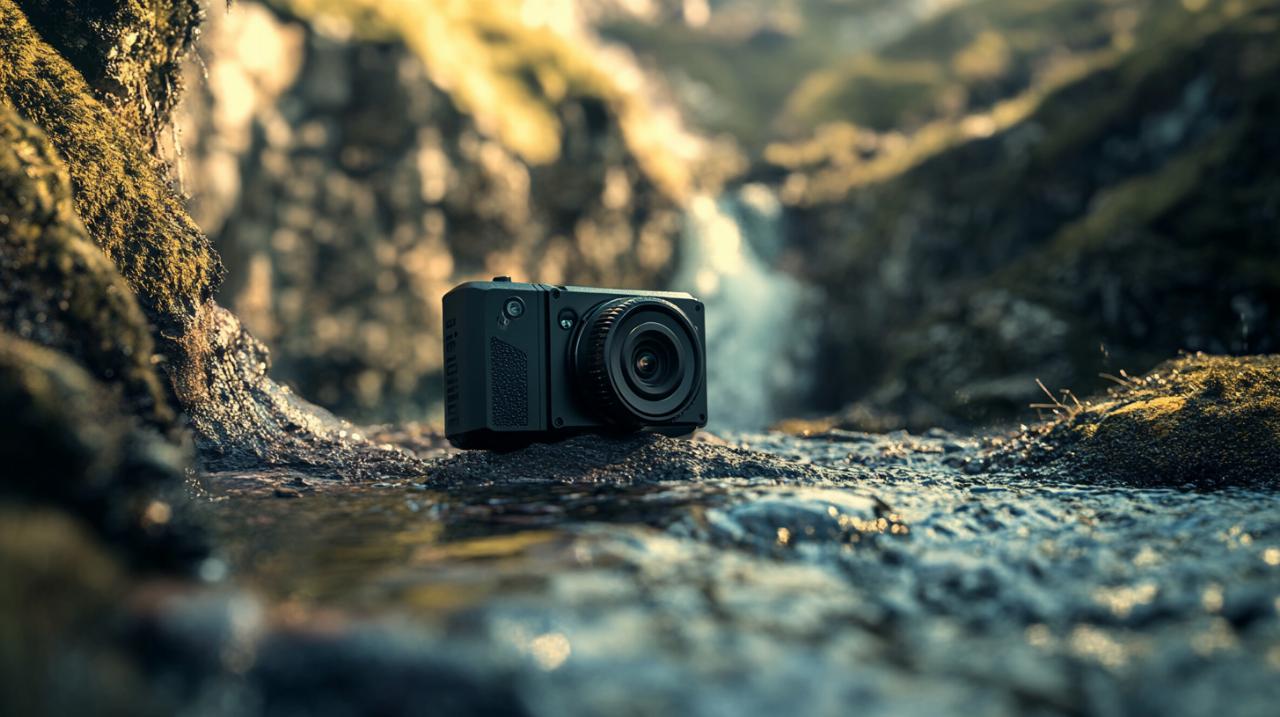
Few adventures conclude within a single battery's lifespan, making spare batteries essential accessories for serious users. Carrying additional charged batteries ensures you can swap them out quickly and continue recording without lengthy interruptions. Portable charging solutions such as power banks offer another approach, allowing you to recharge batteries in the field using solar panels or spare battery packs. Some models support charging whilst recording, though this can generate heat and may not work reliably during intensive use. Planning your power management strategy before heading out ensures you never miss capturing important moments because your camera ran flat at an inopportune time.
User Interface and Ease of Operation
Intuitive controls for quick adjustments
When you are halfway up a climbing wall or preparing to descend a challenging slope, fumbling with complicated camera controls wastes precious time and risks missing the action entirely. Simple, intuitive interfaces allow you to start recording, adjust settings, and review footage without consulting instruction manuals or navigating through endless menu systems. Physical buttons positioned where you can reach them easily whilst wearing gloves prove more practical than touchscreens alone for many activities. A camera that feels natural to operate becomes an extension of your adventure rather than a distraction from it.
Touchscreens, voice commands, and mobile apps
Modern action cameras increasingly incorporate touchscreens that simplify menu navigation and footage review when you have time to interact with them properly. Voice command functionality takes convenience further, allowing hands-free operation when physical interaction proves impractical or impossible. Mobile applications extend control possibilities, enabling remote operation, live preview, and instant sharing to social media platforms. These features enhance usability considerably, though they should complement rather than replace straightforward physical controls. Cameras that balance traditional buttons with modern conveniences offer the most versatile user experience across different scenarios.
Essential features for modern action cameras
Wi-fi connectivity and gps tracking capabilities
Wireless connectivity transforms how you manage and share your footage. Wi-Fi capabilities allow you to transfer videos and photos directly to your smartphone without cables or card readers, streamlining the process of posting highlights to social media whilst your adventures remain fresh in memory. GPS tracking adds another dimension by recording where you filmed each clip, creating automatic location tags that help you remember exactly where special moments occurred. This feature proves particularly valuable when documenting extended trips covering multiple locations, as it eliminates guesswork about which footage came from which destination.
Additional features worth considering
Beyond core functionality, various supplementary features enhance specific use cases. If you enjoy taking still photographs alongside video recording, megapixel count matters more than for video-only users, with higher numbers delivering sharper images. Memory capacity deserves attention too, as 4K recording consumes approximately 400 megabytes per minute, meaning a 128GB card holds roughly five hours of footage before requiring offloading or deletion. Fast memory cards prevent dropped frames during recording, ensuring smooth playback without frustrating gaps. Some cameras offer interval recording for time-lapse sequences, whilst others include underwater colour correction filters that compensate for how water absorbs different light wavelengths at depth.
Setting your budget and finding value
Price Points and What You Get at Each Level
Action cameras span a broad price spectrum, from budget-friendly models costing under thirty pounds to premium options exceeding two hundred pounds. Entry-level cameras typically offer 1080p recording, basic waterproofing, and limited battery life, making them suitable for occasional users or those testing whether action photography suits them. Mid-range options introduce 4K recording, improved stabilisation, and more robust build quality, representing the sweet spot for enthusiastic amateurs who film regularly. Premium models add professional features like enhanced low-light performance, extended battery life, and superior weatherproofing. Understanding which features you genuinely need prevents overspending on capabilities you will rarely use whilst ensuring you invest enough to capture quality footage.
Avoiding overpaying for brand names alone
Established brands command premium prices partly through superior engineering but also through marketing and reputation. Lesser-known manufacturers sometimes offer comparable specifications at significantly lower prices, though they may lack the refined user experience and customer support that premium brands provide. Reading independent reviews helps identify which budget-friendly alternatives deliver genuine value and which cut corners in ways that compromise performance or reliability. Refurbished cameras from reputable brands offer another avenue for savings, providing tested and restored equipment at reduced prices with warranties that protect against defects. Promotional offers and discount codes can substantially reduce costs, particularly during seasonal sales periods. By focusing on features rather than badges, you can often secure excellent performance without paying unnecessarily for brand prestige alone.